

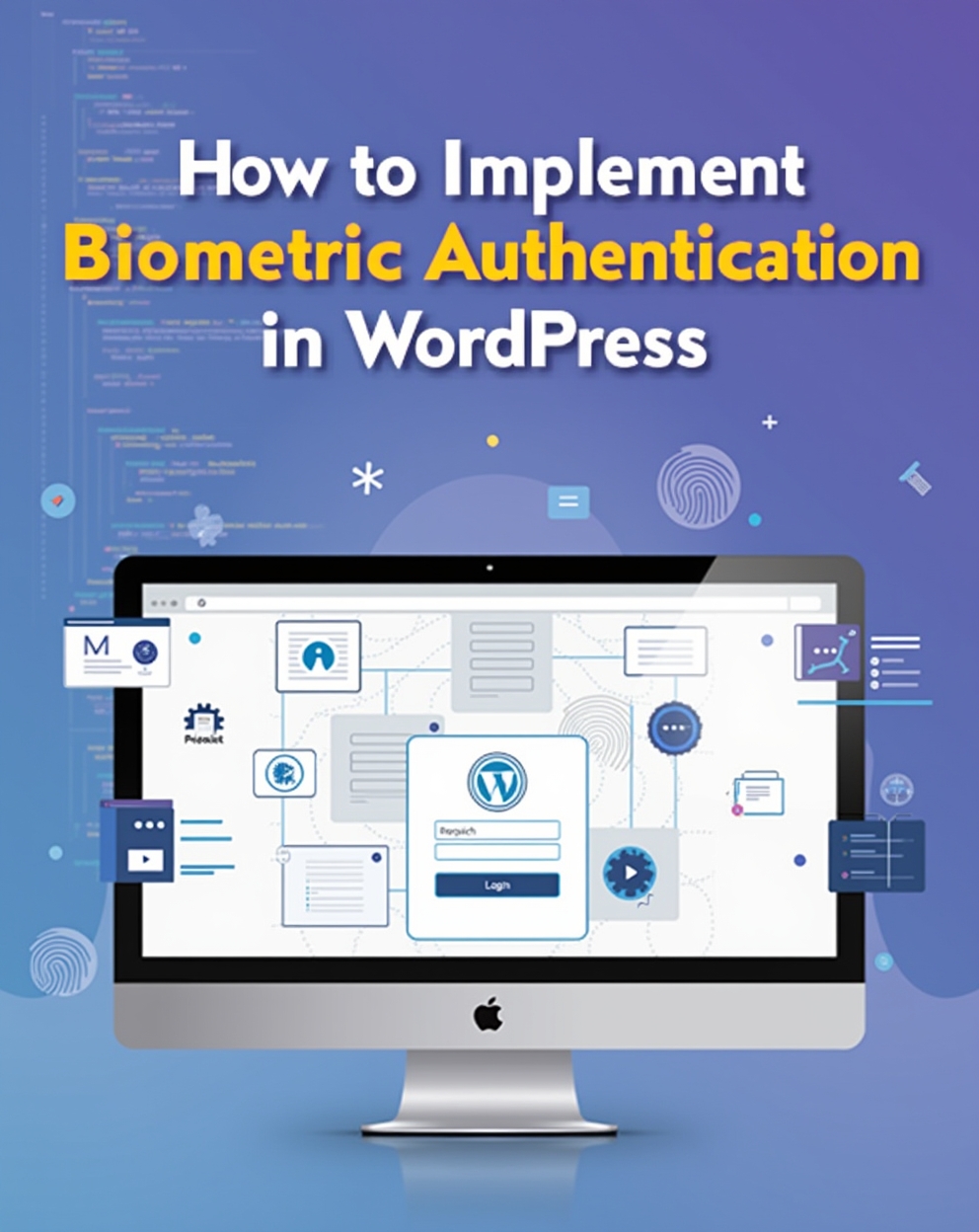
How to Implement Biotic Authentication in WordPress: A Comprehensive Guide
In today’s digital landscape, security is a top priority for website owners. Traditional password-based authentication methods are no longer sufficient to protect sensitive user data. Biometric authentication offers a more secure and user-friendly alternative by leveraging unique biological traits such as fingerprints, facial recognition, or iris scans.
Implementing biometric authentication in WordPress enhances security, reduces the risk of unauthorized access, and improves the user experience by eliminating the need to remember complex passwords. This guide will walk you through the steps to integrate biometric authentication into your WordPress site, covering both plugin-based and custom development approaches.
Why Use Biometric Authentication in WordPress?
- Enhanced Security – Biometric data is unique to each individual, making it extremely difficult to forge.
- Improved User Experience – Users can log in quickly without remembering passwords.
- Reduced Fraud Risk – Prevents phishing, brute-force attacks, and credential stuffing.
- Compliance with Security Standards – Helps meet GDPR, HIPAA, and other regulatory requirements. Our YouTube channel; https://www.youtube.com/@easythemestore
Methods to Implement Biometric Authentication in WordPress
1. Using Plugins (Easiest Method)
Several WordPress plugins allow you to integrate biometric authentication without coding:
- MiniOrange Google Authenticator – Supports fingerprint and facial recognition via mobile apps.
- WP Biometric Authentication – Adds fingerprint login for registered users.
- Auth0 – Provides multi-factor authentication (MFA) with biometric options.
Steps to Set Up a Biometric Authentication Plugin:
- Install and Activate the chosen plugin from the WordPress repository.
- Configure Settings by navigating to the plugin’s settings page.
- Enable Biometric Login and link it with supported devices (e.g., smartphones with fingerprint scanners).
- Test the Login Process to ensure seamless authentication.
2. Custom Integration Using APIs (For Developers)
If you need a more tailored solution, you can use APIs like:
- WebAuthn API – A browser-based standard for passwordless authentication.
- FIDO2 – An open authentication standard supporting biometric logins.
Steps for Custom Biometric Integration:
- Set Up HTTPS – Ensure your site runs on SSL for secure data transmission.
- Integrate WebAuthn – Use JavaScript to register and authenticate users via biometrics.
- Modify WordPress Login Flow – Hook into
wp_authenticateto support biometric verification. - Test Across Devices – Ensure compatibility with different browsers and biometric sensors.
Best Practices for Biometric Authentication in WordPress
- Provide Fallback Options – Allow traditional login methods if biometrics fail.
- Encrypt Biometric Data – Never store raw biometric data; use secure tokens instead.
- Educate Users – Explain how biometric authentication works and its benefits.
- Regularly Update Security Measures – Stay protected against emerging threats.
Conclusion
Biometric authentication is the future of secure login systems, and integrating it into WordPress can significantly enhance your site’s security and usability. Whether you choose a plugin or a custom solution, implementing biometric login ensures a seamless and fraud-resistant experience for your users.
By optimizing your content with these key phrases, you can attract more visitors looking for biometric authentication solutions for WordPress.